
Contents Insurance and Approved Locks How to Protect Your Home and Save on Premiums
A good contents insurance policy can help put a home back together after theft, fire, flood or accidental damage. But there is one detail that often gets missed until a claim is made: the locks on the doors and windows.
For homeowners, locks are more than a practical security feature. They can affect whether a policy is valid, how much cover applies, and whether an insurer offers a lower premium. Many insurers ask about the type of lock fitted to external doors. Some ask whether locks meet a recognised British Standard. If the answer is wrong, or if the locks are not used properly, a future claim can become more complicated.
The reassuring news is that meeting lock requirements is usually straightforward. Once the right locks are fitted and used, they can improve everyday safety, help protect possessions, and may support a better insurance quote.
This guide explains how contents insurance works, why approved locks matter, and how to choose locks that satisfy common insurer expectations in the UK.

Why contents insurance matters for homeowners
Contents insurance covers the things inside a home, rather than the structure of the building itself. That usually means personal belongings such as furniture, clothing, appliances, electronics, tools, jewellery, books and household items.
Buildings insurance covers the walls, roof, floors, fitted kitchen and bathroom. Contents insurance covers the things that would usually move with you if you changed home.
For homeowners, contents cover is easy to underestimate. A room-by-room list often adds up faster than expected. Sofas, curtains, beds, laptops, kitchen equipment and children’s belongings can represent a significant cost to replace.
A contents policy can offer protection against risks such as:
Theft or attempted theft
Fire and smoke damage
Escape of water from pipes or appliances
Storm or flood damage, depending on the policy
Accidental damage, if included or added
Loss or damage to valuables away from home, if chosen as an extra
The value of the policy depends on the level of cover, the excess, exclusions, security conditions and any limits for high-value items. This is why it is useful to read the policy wording, not only the quote summary.
Locks sit within that detail. They may appear as a question during the quote process or as a condition in the policy documents. If a home is burgled and the insurer checks the security, the answer given at quote stage may matter.
Contents Insurance and Approved Locks How to Protect Your Home and Save on Premiums is not just a security topic. It is also about making sure the details of a policy match the reality of the home.
This article is for general information only and is not financial advice. Always check the wording of a specific insurance policy or speak to the insurer if unsure.
How approved locks can affect insurance cover
Insurers price risk. A home with secure doors and windows is generally less attractive to opportunistic burglars than one with weak or poorly fitted locks. That does not mean approved locks prevent every break-in, but they can reduce easy access.
Because of that, insurers often ask security questions such as:
What type of lock is fitted to the main entrance door?
Are external doors fitted with five-lever mortice deadlocks?
Do the locks meet British Standard BS 3621?
Are patio doors and French doors fitted with key-operated locks?
Are accessible windows fitted with locks?
Is the home left unoccupied for long periods?
The exact questions vary by insurer and property type. A modern composite door with a multipoint locking system is different from an older timber door with a simple nightlatch. A flat in a managed block may have different risks from a detached house with several external doors.
What can happen if locks do not match the policy
Problems usually arise when the details given to an insurer do not match the locks actually fitted.
For example, a homeowner might state that the front door has a British Standard lock because the lock looks strong. After a burglary, the insurer may inspect the door and find that the lock does not carry the right mark or does not meet the standard required by the policy.
That mismatch can lead to delays, further questions, or in some cases a reduced or rejected claim. This is especially likely if the policy clearly required a certain lock and that requirement was not met.
The same issue can happen if the correct locks are fitted but not used. If a five-lever mortice deadlock is fitted, but the door is only pulled shut on a nightlatch, the insurer may treat the home as not fully secured. Many policies expect locks to be engaged when the property is unattended or overnight.
The safest approach is simple: describe the locks accurately, keep any paperwork, and use the locks as required.

What counts as an approved lock in the UK
The phrase “approved lock” is often used in everyday language, but insurers usually mean locks that meet a recognised standard or match a named lock type in the policy.
The most common reference for UK domestic door locks is BS 3621. This British Standard applies to thief-resistant locks that can be opened by key from both sides. Locks meeting this standard are often marked with the British Standard Kitemark and the BS 3621 number on the faceplate.
Other standards may also appear, especially on modern doors:
Lock or standard | Where it is commonly found | Why insurers may care |
BS 3621 five-lever mortice deadlock | Timber front and back doors | A common insurer requirement for external doors |
BS 8621 lock | Flats or homes needing keyless exit from inside | Allows escape without a key while maintaining security |
BS 10621 lock | Some shared or specialist entrance setups | Offers external key access with controlled internal use |
TS 007 three-star cylinder | uPVC, composite and some timber doors | Helps protect against cylinder snapping and picking |
SS312 Diamond approved cylinder | High-security cylinder locks | Often recognised as a strong cylinder security rating |
Multipoint locking system | uPVC and composite doors | Secures the door at several points when fully engaged |
A five-lever mortice deadlock is not automatically BS 3621 compliant. The number of levers matters, but the standard also relates to tested security performance. The lock should usually show the Kitemark and standard number on the metal faceplate visible when the door is open.
A basic Yale-style nightlatch on its own may not meet insurance requirements for a main external door. Many homes use a nightlatch together with a BS 3621 mortice deadlock. The nightlatch adds convenience, while the deadlock adds the security an insurer may expect.
For uPVC and composite doors, insurers may focus less on mortice locks and more on the multipoint system and cylinder quality. A multipoint lock only works properly when the handle is lifted and the key is turned, if that is how the door is designed. Simply pulling the door shut may not fully engage the locking points.
How to choose locks that meet insurance requirements
Choosing the right lock is easier when the insurance requirement is checked before buying. Locks can look similar from the outside, but have very different levels of protection.
Read the policy wording before changing locks
Start with the home insurance proposal, quote details and policy wording. Look for sections called security, minimum security, theft conditions, endorsements or assumptions.
The wording may state that external doors must have one of the following:
A five-lever mortice deadlock conforming to BS 3621
A lock approved to a named British Standard
A multipoint locking system
Key-operated window locks on accessible windows
Additional locks on patio or French doors
If the wording is unclear, ask the insurer to confirm what it will accept. A quick call or message can prevent wasted spending on the wrong product.
Check for visible standards and markings
A compliant mortice lock will often have a Kitemark and the relevant BS number stamped on the faceplate. Open the door and inspect the metal strip where the bolt comes out. If there is no marking, do not assume compliance.
For cylinder locks, look for standards such as TS 007 three-star or SS312 Diamond. These are often relevant for euro cylinders, which are common on uPVC and composite doors.
Keep receipts, product packaging and any locksmith invoice. They can help if the insurer asks for proof later.
Match the lock to the door type
Not every lock suits every door. A solid timber door can often take a mortice deadlock. A uPVC door usually uses a multipoint mechanism with a euro cylinder. A patio door may need a purpose-made lock or additional security device.
A lock is only as strong as the door and frame around it. A strong deadlock fitted into a weak, damaged or poorly aligned door will not provide the same level of protection.
For older doors, it may be worth asking a qualified locksmith to inspect the whole setup, including:
Door thickness and condition
Frame strength
Strike plate quality
Hinge security
Glazing near the lock
Whether bolts engage cleanly
Use a reputable locksmith or competent installer
A poorly fitted approved lock may fail to meet the practical standard expected by an insurer. The bolt should throw correctly. The keep should line up with the lock. Screws should be suitable. The door should close without forcing.
A professional locksmith can identify the right standard, fit the lock cleanly and provide an invoice that names the product used. That paper trail can be useful when updating an insurer.
Do not forget windows and secondary doors
Burglars do not always use the front door. Back doors, side doors, patio doors, garage access doors and accessible windows deserve the same attention.
Ground-floor windows, windows above flat roofs, and windows near drainpipes or extensions are usually more accessible. Many insurers expect key-operated locks on accessible windows, especially for theft cover.

The safety benefits of secure locks
Insurance is one reason to upgrade locks, but day-to-day safety is the bigger benefit. A secure home helps reduce worry, especially when the property is empty during holidays, work hours or school runs.
Strong locks can help in several ways.
They deter opportunistic burglary
Many burglaries are opportunistic. A weak door, old cylinder, loose frame or unlocked window can make a home a more attractive target.
Visible, well-fitted locks can make forced entry harder and noisier. That may be enough to put off someone looking for an easy opportunity.
They help protect people inside the home
Some locks improve security while still allowing a safe exit. This matters for fire safety, flats, shared entrances and homes with older or younger residents.
For example, a BS 8621 lock allows the door to be opened from the inside without a key. That can reduce the risk of someone being unable to leave quickly in an emergency. It may be suitable where keyless escape is important, though the right choice depends on the property and insurer requirements.
They support better routines
Good locks encourage good habits. A door that locks smoothly is more likely to be used properly. A stiff or unreliable lock can lead to shortcuts, such as leaving a door on the latch or avoiding a deadlock because it is awkward.
Simple routines make a difference:
Lock doors fully when leaving, even for a short time
Engage multipoint locks correctly
Remove keys from locks where they can be reached through letterboxes or glass
Keep spare keys away from obvious places such as plant pots and doormats
Lock garages and outbuildings that contain tools or bikes
Review locks after moving into a new home
Changing locks after moving can also provide peace of mind. Previous owners, tenants, tradespeople or neighbours may still have old keys. New cylinders or locks can close that gap quickly.
How approved locks may help reduce premiums
Insurers may offer lower premiums for homes with better security, although savings are never guaranteed. Each insurer prices risk in its own way, and other factors also affect the quote, including postcode, claims history, property type, rebuild value, contents value and chosen excess.
That said, accurate security details can make a difference.
If a quote asks whether the home has approved locks, answering yes may reduce the premium where the locks genuinely meet the required standard. Some insurers may also look favourably on extra security, such as burglar alarms, window locks or secure patio door locks.
The key word is accurate. It is better to pay the correct premium than to save a small amount by giving an answer that could later create a claim issue.
Secure locks can also reduce costs in indirect ways. Preventing a break-in avoids the emotional stress of burglary, the time spent reporting losses, the inconvenience of repairs and the risk of losing items that cannot be replaced. Some possessions have practical value, while others have personal meaning that no payout can fully restore.
Tell the insurer when locks are upgraded
After upgrading locks, contact the insurer and ask whether the change affects the policy or premium. The insurer may update the security details on the account. Keep a note of the date and what was confirmed.
Useful records include:
Locksmith invoice
Lock make and model
British Standard or security rating
Photos of lock faceplates or cylinder markings
Confirmation from the insurer, if provided
Policy changes do not always lead to a lower price straight away. They may affect renewal instead. Even when there is no discount, the upgrade can still reduce risk and support a smoother claim if something happens.
Common lock mistakes that can put cover at risk
Most lock-related insurance issues come from understandable mistakes, not deliberate wrongdoing. Knowing the common pitfalls helps avoid them.
Assuming all five-lever locks are approved
A five-lever lock may be strong, but insurers often ask for BS 3621 specifically. Check the faceplate for the Kitemark and standard number.
Forgetting to use the deadlock
If a door has both a nightlatch and a mortice deadlock, use the deadlock when required. Pulling the door closed may not count as fully locked.
Leaving keys in easy reach
Keys left in locks, near letterboxes or visible through glass can increase risk. If someone can reach keys with a hook or break a small pane to unlock the door, the door is less secure than it looks.
Ignoring door condition
Locks work with doors, frames and hinges. A rotting frame, loose strike plate or warped door can weaken the whole setup.
Not updating the insurer
If locks have changed, or if they do not match the information given at quote stage, tell the insurer. It is much easier to correct details before a claim than after one.
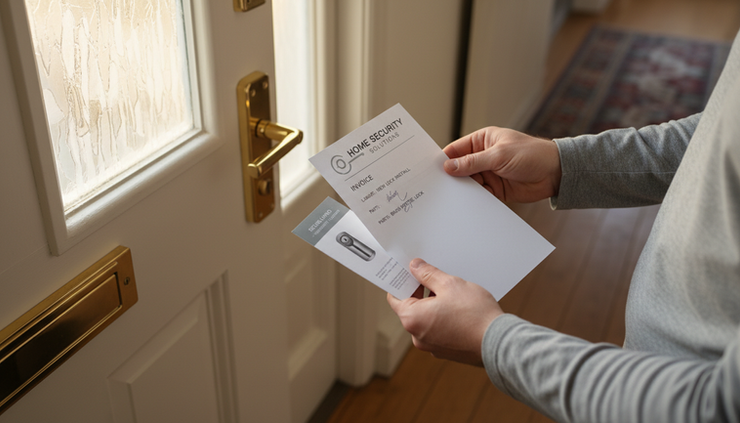
A practical checklist for homeowners
Use this simple checklist to bring locks and contents insurance into line.
Review the policy documents
Check the security assumptions and theft conditions.
Inspect every external door
Look at the front door, back door, side door, patio doors and internal garage access.
Check for British Standard markings
Open the door and look at the lock faceplate or cylinder markings.
Confirm how each lock works
Make sure everyone in the household knows how to engage the locks fully.
Assess accessible windows
Fit key-operated locks where needed and keep keys in a safe place.
Fix weak frames or stiff mechanisms
A good lock should not be let down by poor fitting or worn timber.
Keep evidence
Save invoices, packaging, photos and insurer messages.
Update the insurer
Tell the insurer about upgrades and ask whether the policy or premium changes.
Protecting the home starts with the small details
Contents insurance gives homeowners valuable protection, but the policy works best when the home’s security matches the information on record. Approved locks can play a central role. They help deter burglary, protect belongings, support safer routines and may lead to a better insurance price.
The next step is simple: check the locks already fitted, compare them with the policy wording, and ask the insurer or a reputable locksmith if anything is unclear. A short review now can save stress later, and it can make the home feel safer every day.

Comments